
CNC controllers are essential components of modern manufacturing systems, managing machine movements, machining operations, and programmed instructions with precision. When a controller develops a fault, it can affect production accuracy, machine performance, and operational efficiency. CNC Controller Troubleshooting UAE helps identify control system errors, communication failures, electronic faults, and programming issues that may interrupt machining operations.
PANATECH supports industrial automation requirements by helping businesses identify suitable control components and technical solutions for their equipment. Understanding common controller problems and their possible causes allows industrial facilities to plan appropriate corrective measures and maintain reliable machine performance.
What Is CNC Controller Troubleshooting?
CNC controller troubleshooting involves examining the control unit, associated electronic components, machine connections, and software configurations to identify the source of a malfunction. CNC systems coordinate machining movements and process instructions, making proper controller operation important for consistent production results.
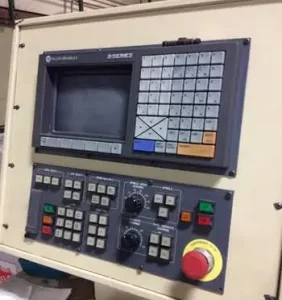
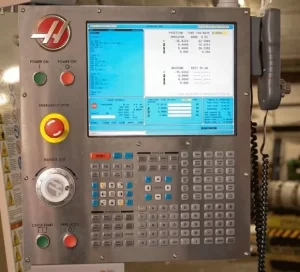
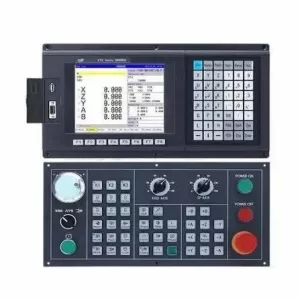
A CNC control system may include a controller unit, display interface, servo drives, motors, input/output modules, feedback devices, and communication connections. A fault in any of these components can trigger alarms, interrupt machine movement, or prevent the equipment from operating correctly.
A systematic CNC Controller Troubleshooting UAE process helps technicians investigate error messages, inspect relevant connections, review control parameters, and determine whether the issue involves hardware, software, or connected equipment. The findings help establish the appropriate next steps for restoring machine functionality.
What Are the Common CNC Controller Troubleshooting Activities?
CNC controller troubleshooting involves inspecting the control unit, reviewing alarm messages, checking electrical connections, and examining communication between the controller and other machine components.
Common troubleshooting activities include:
Reviewing CNC controller alarm codes and error messages.
Inspecting controller power supplies and electrical connections.
Checking communication between the controller, servo drives, and motors.
Investigating programming errors and incorrect machine parameters.
Examining input/output signals and feedback devices.
Identifying display, keyboard, and operator interface problems.
Assessing damaged electronic boards and ageing control components.
Checking controller compatibility when planning repairs or replacements.
These activities should be performed by qualified technicians following the manufacturer’s instructions and appropriate electrical safety procedures.
Common CNC Controller Problems
CNC machines operate through coordinated interactions between electronic controls, mechanical components, drives, motors, and feedback systems. A fault in one part of the system can affect overall machine operation. Identifying the symptoms helps technicians narrow down possible causes and plan appropriate repairs.
1. CNC Controller Power Supply Problems
Power supply issues can prevent a CNC controller from starting correctly or cause unexpected shutdowns during operation. Potential causes include unstable incoming power, defective power supply units, damaged wiring, and loose electrical connections.
Technicians should inspect the power supply system, verify relevant voltage levels using appropriate equipment, and examine the controller’s status indicators. Any defective components should be repaired or replaced according to the manufacturer’s specifications.
2. Controller Alarm and Error Messages
CNC controllers display alarms when the system detects abnormal conditions or when certain operating requirements are not satisfied. These alarms may relate to axis movement, servo drives, communication, parameter settings, or other machine functions.
Technicians should record the alarm code, review the corresponding documentation, and investigate the underlying cause before resetting the system. Repeatedly clearing alarms without addressing the fault may lead to further interruptions or equipment damage.
3. Programming and Parameter Errors
Incorrect program instructions or controller parameters can cause machining interruptions, unexpected machine behaviour, or inaccurate movements. Problems may occur following program changes, maintenance work, parameter modifications, or controller replacement.
A structured inspection should include reviewing relevant settings, checking the machining program, and confirming that the configuration matches the machine manufacturer’s requirements. Existing parameters should be backed up before authorised modifications are made.
4. Communication Failures Between Controller and Drives
CNC controllers communicate with servo drives, feedback devices, operator panels, and other machine components. Communication failures may interrupt axis movement, trigger alarms, or prevent the machine from completing its programmed operations.
Possible causes include damaged cables, loose connectors, incorrect configuration settings, or faulty communication interfaces. Checking connection points, device status indicators, and relevant communication settings can help technicians identify the source of the problem.
5. CNC Electronic Board and Display Faults
Electronic control boards may develop faults because of component ageing, excessive heat, electrical disturbances, contamination, or physical damage. Symptoms can include intermittent operation, unexpected resets, missing signals, and failure to start.
Display problems may also make it difficult for operators to monitor machine status or enter instructions. Depending on the fault, technicians may recommend component-level repair, compatible board replacement, or further controller assessment.
Why Is CNC Controller Troubleshooting Important in the UAE?
Manufacturing facilities across the UAE rely on CNC machinery for machining, fabrication, production, and precision engineering. Unexpected controller failures can interrupt production schedules, affect finished-product quality, and increase maintenance requirements.
Professional CNC Controller Troubleshooting UAE helps businesses investigate equipment problems systematically and determine the most appropriate corrective measures.
Key benefits include:
Reduced machine downtime: Timely fault identification can help minimise unnecessary production interruptions.
Improved machining accuracy: Correct controller configuration supports accurate execution of machining instructions.
Better equipment reliability: Addressing underlying faults can help reduce recurring operational problems.
Controlled maintenance costs: Identifying the cause of a fault may prevent unnecessary component replacement.
Improved production planning: Reliable machine operation helps businesses manage manufacturing schedules more effectively.
Extended component service life: Appropriate maintenance and operating conditions can reduce avoidable stress on electronic components.
The results depend on the machine’s condition, the cause of the fault, and the corrective work required.
CNC Controller Repair and Replacement
Not every CNC controller problem requires a complete control system replacement. Some faults may be resolved by repairing electrical connections, replacing a defective power supply, correcting configuration settings, or addressing communication problems.
Repair may be appropriate when the fault is isolated, compatible components remain available, and the existing controller meets the machine’s operational requirements.
Replacement may be considered when the controller is extensively damaged, essential components are obsolete, recurring failures affect reliability, or the machine requires a significant control system upgrade.
Before replacing a controller, technicians should verify compatibility with the machine’s servo drives, motors, feedback devices, communication interfaces, software, and stored parameters. Backing up machine programs and configuration data is also important wherever possible.
PANATECH helps businesses explore suitable industrial automation components and control solutions according to their equipment requirements.
CNC Servo Drive and Motor Troubleshooting
Servo drives and motors work alongside CNC controllers to provide controlled movement and positioning. Problems affecting these components may cause axis errors, abnormal movement, positioning inaccuracies, or machine shutdowns.
Potential causes include drive alarms, encoder feedback problems, motor wiring faults, mechanical resistance, and incorrect configuration parameters.
Technicians should examine the relevant alarm information, inspect connections, and verify feedback signals using appropriate procedures. The machine’s mechanical condition should also be considered because movement problems do not always originate in the controller itself.
A complete assessment of the controller, drive, motor, and associated feedback system can help identify the actual source of a fault.
Preventive Maintenance for CNC Controllers
Regular maintenance helps businesses identify developing problems and maintain reliable machine operation. Maintenance schedules should follow manufacturer recommendations and reflect the machine’s operating conditions.
Recommended practices include:
Inspect electrical connections: Check for damaged cables, loose connectors, and signs of overheating.
Maintain suitable temperatures: Ensure cooling arrangements and ventilation systems function correctly.
Review alarm histories: Record recurring alarms and investigate repeated failures.
Back up machine data: Maintain appropriate backups of programs, parameters, and configuration files.
Inspect electronic components: Look for visible damage and signs of contamination using safe inspection procedures.
Verify communication systems: Check relevant connections and device status indicators.
Monitor machine performance: Investigate unusual movements, repeated resets, or changes in machining accuracy.
Maintain service records: Document faults, repairs, component replacements, and maintenance activities.
Electrical inspections and internal controller work must be performed by qualified personnel using suitable safety procedures. Equipment should be isolated appropriately before any work that requires access to hazardous electrical components.
Reliable CNC Automation Support by PANATECH
Maintaining CNC machinery requires a structured approach to fault identification, component assessment, and preventive maintenance. Understanding controller alarms, electrical faults, programming problems, and communication failures helps industrial businesses make informed decisions about repairs and replacements.
PANATECH supports industrial automation requirements by helping businesses identify suitable control products and solutions based on their equipment specifications. Whether a machine experiences controller errors, servo drive faults, electronic board problems, or configuration issues, a systematic technical assessment can help determine the appropriate next steps.
With suitable troubleshooting procedures and regular maintenance, manufacturers can work towards more reliable machine operation, improved production consistency, and better management of industrial equipment.
What Makes PANATECH a Reliable Choice for CNC Controller Solutions in the UAE?
PANATECH provides industrial automation products and solutions for businesses managing CNC machines and automated manufacturing systems. The company supports customers in identifying suitable components based on machine specifications, control system requirements, and operational needs.
CNC machines rely on controllers, servo drives, motors, sensors, and communication components to maintain accurate and consistent operations. When a machine experiences unexpected alarms, positioning errors, communication failures, or control interruptions, identifying the affected component is an important step towards finding a suitable solution.
For businesses exploring CNC Controller Troubleshooting UAE, understanding the machine’s symptoms, controller configuration, and relevant fault codes can help technicians investigate potential causes. The appropriate corrective action depends on the controller model, machine condition, electrical connections, and manufacturer recommendations. Diagnosis, repairs, and system adjustments should always be performed by qualified technicians following applicable safety procedures.
Conclusion
CNC controllers are essential for managing machining operations, movement accuracy, and automated production processes. Controller alarms, faulty connections, software configuration issues, and communication errors can affect machine performance and lead to production interruptions.
A systematic CNC Controller Troubleshooting UAE process helps businesses investigate controller-related problems, identify possible causes, and determine appropriate corrective measures. Regular maintenance, timely inspections, and accurate fault records can also help reduce unexpected downtime and support reliable CNC machine operation.
PANATECH helps businesses explore industrial automation products and component solutions for their equipment requirements. By understanding machine specifications and selecting compatible components, businesses can make informed maintenance decisions and support the continued performance of their CNC systems.
How does PANATECH support CNC controller requirements in the UAE?
PANATECH helps businesses explore industrial automation products and compatible components for CNC machines and control systems based on their technical requirements.
What are the common signs of CNC controller problems?
Common signs include controller alarms, unexpected machine stops, display errors, communication failures, and inaccurate axis movements.
What causes CNC controller failures?
CNC controller failures may result from unstable power supplies, damaged connections, overheating, faulty electronic components, or incorrect parameter settings.
How can CNC controller problems be diagnosed?
Technicians review alarm codes, inspect electrical connections, check power supplies, and examine related drives and feedback systems to identify the possible cause.
Can regular maintenance prevent CNC controller issues?
Yes. Routine inspections, proper cooling, clean control cabinets, secure connections, and regular data backups can help reduce unexpected failures.
When should a CNC controller be repaired or replaced?
Repair or replacement depends on the controller's condition, fault severity, component availability, repair costs, and compatibility with the existing machine.
Why is CNC controller troubleshooting important for industrial operations?
It helps identify faults, reduce machine downtime, maintain machining accuracy, and support reliable manufacturing operations.
Which CNC Controller Issues Require Troubleshooting?
Common CNC Fault | Troubleshooting Method |
|---|---|
Controller system errors | Review error codes and diagnostic messages |
Machine movement problems | Check servo motors and drive connections |
Electrical connection faults | Inspect wiring and terminal connections |
Controller communication errors | Verify cables and communication settings |
Excessive heat buildup | Check cooling fans and airflow |
Incorrect machine settings | Review controller parameters and configurations |
[…] https://panatech.ae/cnc-controller-troubleshooting-uae/ […]
I had a good experience with PANATECH. Their industrial automation solutions are reliable, and the overall service is professional.