Table of Contents

HMI supplier UAE

Panatech has established itself as a premier supplier of advanced Human Machine Interface (HMI) solutions across the UAE, serving diverse industries such as manufacturing, oil & gas, utilities, and infrastructure. With a commitment to delivering high-quality automation products, Panatech offers a comprehensive range of HMI devices, including touchscreen displays, operator panels, and integrated control systems. These products are engineered to enhance operational efficiency by providing real-time monitoring, user-friendly control interfaces, and seamless communication with PLCs and SCADA systems. Panatech’s HMI solutions support multiple protocols and are built to withstand demanding industrial environments, ensuring reliability and longevity in every application.

What sets Panatech apart is its holistic approach to customer satisfaction. From initial consultation and customized HMI selection to after-sales technical support, the team ensures clients receive end-to-end service tailored to their unique operational needs. Whether you’re upgrading an existing automation line or setting up a new industrial process, Panatech delivers scalable HMI solutions that improve productivity and streamline operations. Trusted by engineers, system integrators, and plant managers across the UAE, Panatech continues to lead the way in automation technology, offering smart, cost-effective, and future-ready HMI systems.

Panatech – Supplying a Wide Range of HMI Brands in the UAE

Panatech is a leading supplier of Human Machine Interface (HMI) systems in the UAE, known for offering a wide range of international HMI brands tailored to suit various industrial applications. Understanding that every industry and automation setup has unique needs, Panatech partners with multiple trusted global manufacturers to provide customers with the best-fit HMI solutions in terms of performance, compatibility, budget, and scalability. Whether you’re looking for basic HMI panels or high-end touchscreen models integrated with SCADA systems, Panatech ensures that its multi-brand offerings cater to all levels of control system complexity.

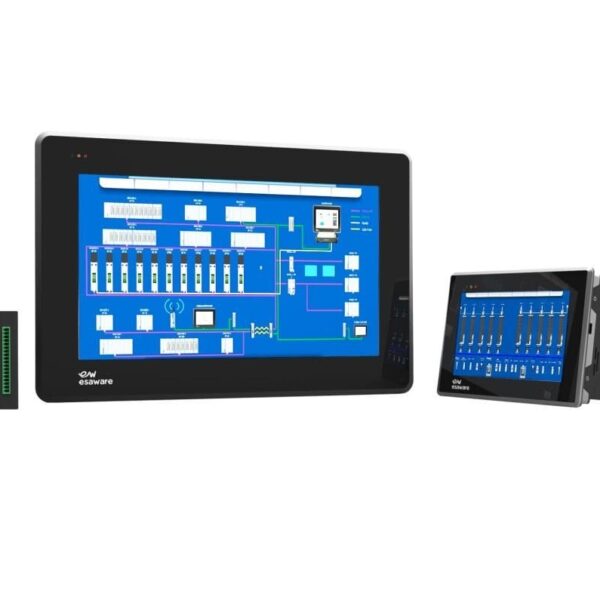
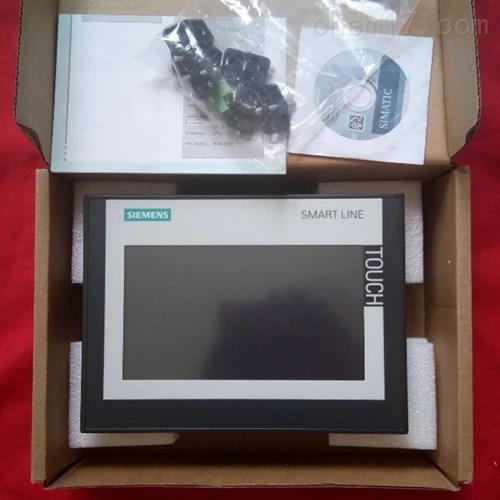
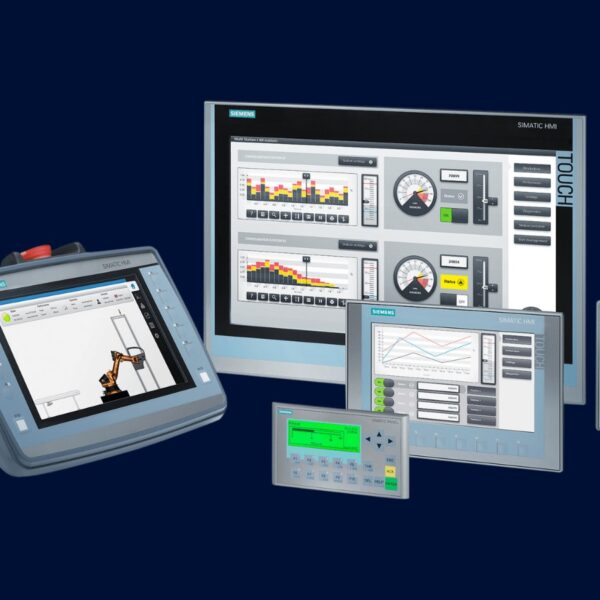
Some of the well-known HMI brands supplied by Panatech include Delta, Siemens, Allen-Bradley, Schneider Electric, Mitsubishi, and Weintek, among others. Each of these brands brings unique strengths—Delta HMIs are known for cost-effective performance and easy PLC integration, Siemens offers powerful industrial-grade HMIs for complex process control, while Weintek provides sleek touchscreen HMIs with remote access capabilities. Panatech’s technical team assists customers in selecting the ideal HMI based on factors like screen size, communication protocols (Ethernet, Modbus, Profibus), industry type, environmental conditions, and required functionality. By offering multiple brands under one roof, Panatech makes it easier for system integrators, OEMs, and plant managers to find the most compatible and reliable HMI solution for their needs.

Why HMI (Human Machine Interface) is Essential

HMI, or Human Machine Interface, is essential in modern industrial and automation systems for several key reasons:


1. Bridge Between Humans and Machines

HMI acts as the critical link between operators and machinery. It translates complex data from machines into readable, visual formats—like touchscreens, dashboards, and indicator panels—so users can monitor and control processes easily. Without HMI, operators would struggle to interact directly with machines, especially in complex automated environments.


2. Real-Time Monitoring and Control

HMI enables real-time monitoring and control of industrial processes. Operators can view live production data, alarms, system diagnostics, and performance indicators instantly. This allows for quicker decision-making, reduced downtime, and improved efficiency. Problems can be detected and resolved promptly, avoiding costly delays.


  • Improves Efficiency: Simplifies complex operations and boosts productivity.

  • Enhances Safety: Warns operators of malfunctions or hazards in real-time.

  • Reduces Training Time: User-friendly interfaces make it easier to train staff.

  • Supports Data Logging: Stores historical data for analysis and maintenance planning.

In short, HMI is the nerve center of automation systems, providing visibility, control, and optimization opportunities. It’s indispensable for industries relying on precision, consistency, and operational excellence.

How does Panatech support customers as an HMI supplier UAE?

As an experienced HMI supplier UAE, Panatech offers technical guidance, product selection assistance, and after-sales support to ensure seamless system integration and long-term performance.

Why Choose a Reliable HMI Supplier UAE for Your Industrial Automation Needs?

FactorWhy It MattersWhat You Get
Product QualityEnsures system stabilityDurable industrial HMI panels
Technical ExpertiseReduces downtimeExpert integration support
Latest TechnologyImproves efficiencyAdvanced touch screen interfaces
Local AvailabilityFaster serviceSupport across UAE regions
Global StandardsAssures safety & complianceCertified automation solutions

HMI supplier in Dubai HMI supplier in Sharjah HMI supplier in Ras Al Khaimah Industrial HMI supplier UAE Touchscreen HMI supplier UAE HMI display supplier UAE HMI panel supplier UAE HMI system supplier UAE HMI automation supplier UAE 🔹 1. Push Button Replacer HMIs These are basic HMI systems designed to replace traditional mechanical switches and indicator lights. They are often used for simple machine control and monitoring applications. Features: Mimics basic start/stop/pause buttons Easy to install and operate Ideal for small-scale equipment or standalone systems Limited graphical interface Use Case: Best suited for machines where only simple input/output control is required, such as packaging machines, conveyors, or small CNC systems. 🔹 2. Data Handler HMIs These HMIs are more advanced and designed for collecting, displaying, and logging operational data. They allow users to track performance metrics, alarms, faults, and real-time data. Features: Advanced display with touchscreen interface Data logging and trend analysis Alarm notifications and message handling Communication with multiple PLCs or controllers Use Case: Commonly used in production lines, utilities, and process control systems where continuous data monitoring is essential. 🔹 3. Overseer or Supervisory HMIs Also known as SCADA HMIs, these are high-end interfaces integrated into SCADA (Supervisory Control and Data Acquisition) systems. They offer a centralized view of complex industrial systems. Features: Full graphical representation of industrial processes Multi-layered user interface with zoom and navigation Remote access and control High-level security and user authentication Often PC-based or industrial PC platforms Use Case: Used in large-scale operations like power plants, water treatment facilities, and factory-wide control rooms. 🔹 4. Touchscreen Panel HMIs These are the most commonly used modern HMIs featuring graphical user interfaces on a touchscreen display. They vary from 4" to 15"+ sizes depending on application needs. Features: Intuitive, user-friendly graphical interface Multi-function support (control, monitoring, alarms, recipes) Ethernet/serial communication support Suitable for wall or panel mounting Use Case: Ideal for most manufacturing, food processing, pharmaceutical, and packaging industries. 🔹 5. Mobile and Web-Based HMIs These are HMI solutions accessible via mobile devices, tablets, or web browsers. They support remote monitoring and control, useful in IoT and Industry 4.0 applications. Features: Accessible from anywhere with internet connection Cloud data logging and dashboards Real-time alerts and system updates Integrated cybersecurity features HMI supplier UAE HMI supplier UAE HMI supplier UAE HMI supplier UAE HMI supplier UAE HMI supplier UAE HMI supplier UAE HMI supplier UAE HMI supplier UAE HMI supplier UAE HMI supplier UAE HMI supplier UAE HMI supplier UAE HMI supplier UAE HMI supplier UAE HMI supplier UAE HMI supplier UAE HMI supplier UAE HMI supplier UAE HMI supplier UAE HMI supplier UAE HMI supplier UAE HMI supplier UAE HMI supplier UAE What is HMI (Human Machine Interface)? Human Machine Interface (HMI) refers to the technology that allows humans to interact and communicate with machines and industrial systems. HMIs are used across manufacturing, processing, utilities, and automation industries to monitor processes, issue commands, and receive real-time feedback from machines. Instead of relying on manual switches or traditional control panels, HMIs provide a visual interface—usually a screen or touchscreen—where users can view system status, alarms, inputs/outputs, and control settings through intuitive graphics and menus. HMIs play a critical role in enhancing operational efficiency, improving safety, and reducing manual errors in industrial setups. Modern HMIs are highly advanced and can connect with programmable logic controllers (PLCs), sensors, SCADA systems, and even cloud platforms. They support features like remote access, alarm logging, data trending, and diagnostics. HMIs can range from simple button-based interfaces to full-color touchscreens and mobile/web-based interfaces. They are widely used in industries such as oil & gas, water treatment, manufacturing, packaging, energy, and more. A well-integrated HMI not only streamlines operations but also provides a centralized control system that empowers operators, technicians, and supervisors to make informed decisions quickly and efficiently. Title: The Complete Guide to Human Machine Interface (HMI): Importance, Types, and Applications Introduction In the evolving world of industrial automation and smart manufacturing, the Human Machine Interface (HMI) plays a pivotal role in bridging the gap between operators and machines. Whether in factories, power plants, laboratories, or building automation systems, HMI systems are essential for the smooth operation, monitoring, and control of machinery. As the digital age continues to transform industries, the need for intuitive, responsive, and efficient HMIs has become more pronounced than ever. This comprehensive guide explores what HMIs are, their importance, types, categories, features, and real-world applications. What is HMI (Human Machine Interface)? An HMI, or Human Machine Interface, refers to the interface through which a human interacts with a machine, system, or device. It can be a physical device like a touch screen or a software dashboard that visualizes data from control systems such as PLCs (Programmable Logic Controllers), sensors, or actuators. The goal of an HMI is to simplify the communication between humans and machines, making it easier for users to perform tasks such as monitoring performance, identifying faults, and making informed decisions. Why HMI is Essential in Modern Industries Real-Time Monitoring and Control HMI systems allow operators to monitor and control industrial processes in real-time. With immediate access to performance data, visual alarms, and operational status, users can identify and correct issues instantly, thereby minimizing downtime and maximizing productivity. Improved Operational Efficiency Through intuitive graphics and user-friendly dashboards, HMIs simplify complex operations, enabling faster learning and smoother workflows. This results in enhanced operational efficiency and lower training costs for new operators. Enhanced Safety and Compliance HMI systems are designed to alert operators in case of anomalies or hazardous conditions. With integrated safety protocols and fail-safe designs, they ensure that operators respond quickly to avoid accidents, making workplaces safer and more compliant with regulatory standards. Data Acquisition and Analysis Modern HMIs are equipped with capabilities to log historical data, visualize trends, and generate reports. This aids in preventive maintenance, quality control, and performance optimization across industrial setups. Customization and Scalability HMI systems can be tailored to specific industry needs. Whether managing a single machine or an entire factory floor, HMIs can scale accordingly and provide targeted solutions based on user preferences and requirements. Types of HMIs HMIs come in various forms depending on their applications, design, and integration levels. Here are the main types: Push-Button Replacer Panels These are simple HMI systems used to replace mechanical push buttons and indicator lights. They provide a digital interface to control operations and view system states. Graphical HMIs Graphical HMIs use color-coded screens and images to represent machines, processes, or layouts. They allow touch interaction and provide more information in a visually appealing and intuitive manner. PC-Based HMIs These run on industrial PCs and offer powerful computing and graphic capabilities. They support advanced functions like remote access, integration with enterprise software (ERP), and real-time analytics. Web-Based HMIs These HMIs are accessible via web browsers and enable remote monitoring and control over the internet. They are ideal for distributed systems, allowing engineers to manage operations from any location. Mobile HMIs Mobile HMIs run on tablets or smartphones and are designed for flexibility and on-the-go access. They are widely used in modern smart factories and remote service environments. Categories of HMI Interfaces Touch Screen Panels These are the most common form of HMIs used in modern industries. They offer intuitive and responsive interaction through touch input, often used in manufacturing, medical equipment, and building automation. Keypad Interfaces Used in environments where durability and resistance to harsh conditions are critical. They are found in older or rugged industrial systems. Computer-Based Interfaces These include desktop applications used for supervising and controlling large systems. They often support multitasking and handle large datasets. Voice-Controlled Interfaces An emerging category enabled by AI, allowing operators to interact with machines using voice commands. This is still evolving but holds promise for hands-free operations. Wearable HMIs These are used in specialized environments like AR glasses for remote troubleshooting or maintenance, offering hands-free access to control systems. Key Features of a Good HMI System User-Friendly Interface The design should be intuitive, with clear icons, readable fonts, and minimal navigation levels. Users should be able to quickly understand the system status without deep technical knowledge. High Reliability and Uptime Since HMIs are mission-critical in industrial environments, they must be robust, have a long operational life, and function under extreme conditions. Customization Options A good HMI allows customization of screens, alarms, and dashboards based on the operator’s workflow and needs. Security Features Modern HMIs include user authentication, password protection, and data encryption to prevent unauthorized access and tampering. Scalability and Integration HMIs should be scalable to accommodate growth and integrate seamlessly with PLCs, SCADA systems, and MES software. Applications of HMIs Across Industries Manufacturing HMI systems control and monitor machinery on production lines, managing conveyor belts, robotic arms, and packaging systems. Energy and Utilities In power plants and utility grids, HMIs are used to supervise processes, track energy usage, and control turbine operations. Oil and Gas They help in monitoring drilling equipment, pipelines, and pressure levels while ensuring compliance with safety standards. Food and Beverage HMIs ensure quality control and hygiene by automating the monitoring of temperatures, ingredient mixing, and packaging lines. Pharmaceuticals Used to maintain batch consistency, track production stages, and validate documentation in compliance with regulatory norms. Transportation and Logistics HMI interfaces are used in vehicle diagnostics, warehouse automation, and supply chain tracking. Building Automation From HVAC systems to lighting control, HMIs play a role in energy management and smart building environments. Emerging Trends in HMI Technology IIoT Integration The Industrial Internet of Things (IIoT) is transforming HMIs into intelligent data hubs that connect to cloud platforms, enabling advanced analytics and predictive maintenance. Edge Computing With edge computing, HMI systems can process data locally, reducing latency and improving real-time decision-making. AI and Machine Learning AI-powered HMIs are being developed to provide predictive diagnostics, automatic adjustments, and adaptive interfaces that evolve based on usage patterns. Augmented Reality (AR) and Virtual Reality (VR) AR-enabled HMIs provide enhanced situational awareness and remote assistance for maintenance and troubleshooting. Voice and Gesture Controls Next-gen HMIs may include voice recognition and gesture controls for hands-free operation in specialized environments. Challenges in HMI Implementation Compatibility Issues Ensuring seamless communication with diverse hardware and software platforms can be a challenge. Cybersecurity Risks As HMIs become more connected, they are exposed to potential cyber threats. Strong security protocols are essential. Cost of Deployment High-end HMI systems can be costly to implement, especially in large-scale or legacy environments. User Training Operators may require comprehensive training to fully leverage the capabilities of advanced HMIs. HMI Brands and Suppliers Some of the leading global and regional brands offering HMI solutions include: Siemens Allen-Bradley (Rockwell Automation) Schneider Electric Mitsubishi Electric Delta Electronics Panasonic ABB Omron Conclusion The Human Machine Interface is a cornerstone of modern industrial and automation systems. It enhances operational transparency, boosts efficiency, and ensures safety across diverse industries. As technology advances, the scope and capabilities of HMIs continue to evolve, paving the way for smarter, more responsive, and more intuitive control systems. Choosing the right HMI solution is critical for businesses aiming for digital transformation and long-term operational excellence. Investing in a robust HMI system today means preparing your operations for the intelligent, connected, and automated industries of tomorrow. Introduction to HMI Human Machine Interface, often abbreviated as HMI, is a technology that connects humans with machines, allowing them to control, monitor, and interact with industrial systems, processes, and devices. It acts as a communication bridge, making complex operations easier by transforming machine data into understandable visual formats such as dashboards, screens, or touch panels. In simple terms, HMI is the interface through which an operator communicates with machines in a factory, plant, or any automated system. In today’s world of automation and Industry 4.0, HMI plays a critical role in industries ranging from manufacturing, energy, and water treatment, to transportation and building management. By simplifying machine interaction, HMI improves efficiency, reduces errors, and enhances decision-making in real time. What is an HMI? An HMI (Human Machine Interface) is essentially a user interface that allows operators to interact with controllers like PLC (Programmable Logic Controllers), SCADA systems, or other automation hardware. It typically consists of hardware devices (touchscreens, control panels, monitors, or handheld devices) and software applications that display data in a graphical format. For example, imagine a water treatment plant. Without HMI, an operator would need to read numerous manual meters, gauges, and indicators. With HMI, all the data such as water levels, pressure, flow rates, and chemical balance are shown on one interactive screen. The operator can monitor the entire system in real time and even send commands to control pumps, valves, or motors. Key Functions of HMI HMI systems serve several important functions that make industrial processes smoother and safer: Monitoring – Displays real-time information like temperature, pressure, production speed, machine health, and energy consumption. Control – Operators can start/stop machines, adjust setpoints, and manage production lines directly from the interface. Diagnostics and Alarms – HMI provides alerts and error notifications when a fault occurs, enabling quick troubleshooting. Data Visualization – Converts raw data into easy-to-understand graphics like charts, graphs, and animations. Data Logging and Reporting – Collects historical data for analysis, audits, and performance optimization. User Access Management – Provides different levels of access (operators, supervisors, engineers) to ensure security and avoid misuse. Types of HMI There are different categories of HMI depending on complexity and application: Push-Button Replacements – Simple HMI panels that replace traditional mechanical switches with digital buttons. Data Handling Panels – Advanced panels that provide detailed process data, alarms, and multi-screen navigation. Supervisory Level HMIs – High-level HMIs integrated into SCADA systems to monitor large-scale industrial plants with advanced analytics. Mobile and Remote HMIs – Modern HMIs accessible via smartphones, tablets, or cloud-based dashboards, enabling remote monitoring and control. HMI Hardware Components The hardware of an HMI can vary depending on usage, but common components include: Touchscreens / Panels – User-friendly screens for interaction. Industrial PCs – High-performance computers used in large applications. Keypads / Buttons – For manual operations in smaller systems. Communication Ports – Interfaces (Ethernet, USB, RS232, RS485) for data transfer between machines and HMI. Controllers – Typically PLCs or other automation devices connected to the HMI. HMI Software The software side of HMI is equally important as it defines how data is displayed and managed. Popular HMI software includes Wonderware InTouch, Siemens WinCC, Rockwell Automation FactoryTalk, Ignition, and Schneider Electric Vijeo Designer HMI is widely used across multiple industries: Benefits of HMI The advantages of using HMI are numerous: Improved Efficiency – Operators can quickly analyze and control processes from a single screen. Real-Time Decision Making – Data updates instantly, enabling immediate corrective actions. Reduced Downtime – Fault detection and alarms help prevent long production halts. User-Friendly – Graphical visualization makes it easy to interpret data. Data Collection for Analysis – Helps in performance optimization and predictive maintenance. Enhanced Safety – Provides alerts for hazardous conditions and prevents accidents. Challenges in HMI Implementation While HMIs are powerful, they also face challenges: Cybersecurity Risks – As more HMIs connect to the internet, they are vulnerable to hacking. High Initial Cost – Advanced HMI systems require investment in both hardware and software. Training Requirements – Operators need proper training to use complex HMI systems effectively. Maintenance – Regular updates and system checks are required to keep HMIs functioning optimally. HMI vs SCADA vs PLC It’s important to understand how HMI relates to other automation technologies: PLC (Programmable Logic Controller) – The brain that controls machines. HMI – The interface that allows humans to interact with the PLC. Panatech – Reliable HMI Solutions Across the UAE Panatech is a trusted HMI supplier UAE, delivering advanced human–machine interface solutions for industrial automation, manufacturing, and control systems. With a strong presence across the country, Panatech proudly serves as a leading HMI supplier in Abu Dhabi, , supporting industries with reliable, user-friendly, and high-performance HMI products. At Panatech, we understand that efficient operation depends on clear communication between operators and machines. Our HMI solutions are designed to improve productivity, enhance system monitoring, and simplify complex industrial processes. From compact touch panels to advanced graphical interfaces, our products are selected to meet diverse operational requirements. Why Choose Panatech Panatech stands out as an HMI supplier UAE because of its commitment to quality, technical expertise, and customer-focused service. We work closely with clients to recommend the right HMI solutions for their applications, ensuring seamless integration and long-term reliability. Benefits and Features Intuitive and user-friendly HMI interfaces Durable designs suitable for industrial environments Improved operational efficiency and system control Technical support and reliable after-sales service Whether you need an experienced HMI supplier in Abu Dhabi, Ajman, or Fujairah, Panatech delivers dependable HMI technology tailored to your industrial needs. Panatech is a trusted HMI supplier UAE, providing reliable and advanced human–machine interface solutions for industrial automation. As an experienced HMI supplier in Abu Dhabi, Panatech supports industries with efficient, user-friendly HMI systems. As a growing HMI supplier in , Panatech delivers solutions that improve operational control and productivity. Choosing Panatech as your HMI supplier UAE ensures technical expertise, quality products, and responsive support. Industries across the region rely on Panatech as their preferred HMI supplier UAE for consistent results and long-term value. Panatech – Trusted HMI Supplier UAE Looking for a reliable HMI supplier UAE? Panatech is a leading HMI supplier UAE delivering advanced Human Machine Interface solutions worldwide. As a professional HMI supplier UAE, we serve industries in Ajman, Umm Al Quwain, and Fujairah with certified products and expert support. Our team ensures quality, safety, and performance in every project. Why Choose Panatech? Panatech, your dependable HMI supplier UAE, follows global standards and provides user-friendly automation solutions. As an experienced HMI supplier UAE, we offer technical guidance, fast delivery, and competitive pricing. Benefits & Features As a trusted HMI supplier UAE, we provide high-resolution touch panels, durable industrial displays, and smart control systems. Being a customer-focused HMI supplier UAE, we ensure seamless integration and long-term reliability.